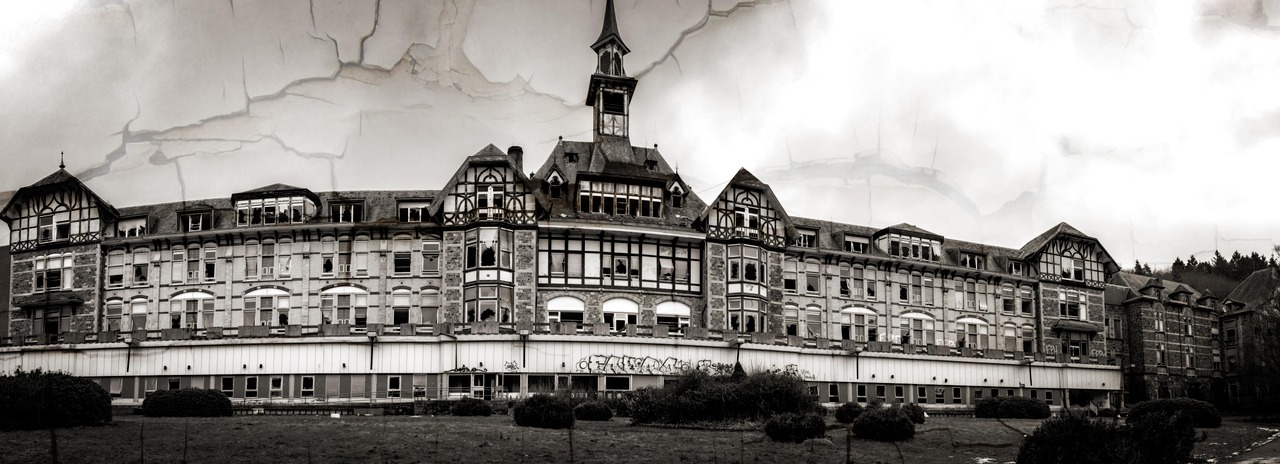
The rain in Grayhaven doesn't wash anything away; it only turns the industrial soot into a slick, black paste that clings to your boots. I stood in the shadow of a rusted shipping container, checking my loadout for the third time. My pulse was steady, but my fingers felt the familiar, dull ache in my left shoulder—a souvenir from a botched extraction in the North Docks three weeks ago.
“Dante, stop fidgeting with the mag release. It’s not going to jam unless you let it get caked in grime.”
I looked up toward the narrow window of the safehouse. Lena Cross was watching me through the cracked glass, her expression unreadable behind the glare of the streetlights. She was right, of course. I was tense. The contract Viktor Hale had dangled in front of me wasn’t just another supply run. It was a recovery mission for a medical cache deep within a Tier-2 Dead Zone—the St. Jude’s Clinic.
Into the Dead Zone
The walk to the clinic took me through the skeletal remains of the manufacturing district. Grayhaven was a city of ghosts, and silence was the only thing you could trust. I moved with deliberate slowness, my eyes tracing the perimeter of every collapsed structure. The tactical training Elias Ward had drilled into me echoed in my mind: Don’t look for what you want to see. Look for the anomalies.
The clinic sat at the end of a cul-de-sac, its facade scarred by fire and time. I reached the entrance, testing the heavy steel door. It groaned, a sound that felt like a scream in the oppressive quiet. I slipped inside, my flashlight beam cutting a thin, dusty path through the lobby. This place hadn’t just been abandoned; it had been purged. Papers were scattered everywhere, buried under layers of ash, and the heavy smell of medicinal rot hung in the air.
A Fragment of the Past
My objective was a secure locker in the basement archives. As I descended the stairs, the air grew colder. My boots crunched on broken glass, the sound amplified by the hollow acoustics of the stairwell. When I finally reached the archives, I saw him—or rather, I saw the aftermath.
Rowan Pike had been here. The locker was already pried open, the hinges twisted like scrap metal. But he’d left something behind. On the floor, discarded among the junk, was a small, encrypted data drive—the kind used by the old municipal security forces. I picked it up, feeling a strange, sudden vertigo. My name was etched into the casing, worn and faint, as if it had been handled a thousand times.
I didn't have time to process it. A floorboard creaked above me. Not the shifting of a settling building—a deliberate, weighted step. I killed my light and pressed myself into the darkness behind a row of filing cabinets, my hand moving to the grip of my sidearm. Someone was hunting, and they weren't interested in medical supplies.
The Cost of Curiosity
I waited, my breath shallow. The silhouette appeared at the top of the stairs—a tall, lean figure carrying a suppressed carbine. It wasn't Rowan. The gear was too clean, the movement too disciplined. This was professional work, the kind that didn't leave witnesses.
I realized then that the contract wasn't about the medicine. Hale had sent me into a trap, or perhaps a lure. As the figure began to descend, I knew I couldn't win a firefight in a confined space. I had to move, and I had to be fast. I risked a glance at the drive in my hand. If this was connected to the Black Signal, if this was why I couldn't remember the years before I became a Runner, then walking away would be the smartest thing I could do.
But I didn't walk away. I moved toward the back exit, the drive tucked securely into my vest, my heart hammering against my ribs. I had entered the clinic for a job, but I was leaving with a question that would likely get me killed. Grayhaven wasn't just a graveyard; it was a vault, and I was starting to realize I was the one who had locked the door.
I pushed through the back door and sprinted into the rain, the sound of a suppressed shot snapping against the brickwork just inches from my head. The extraction window was closing, and for the first time since I’d started running, I wasn't just afraid of the city—I was afraid of what I might find when I finally reached the end.

![pve crystal setup bdo [classes] wizard succession crystal build.](https://lh3.googleusercontent.com/blogger_img_proxy/AEn0k_t2R7uVSRVExdsIJK_BPUPmAsgXkMqsYAF3av19qJP-HVBi5WNgAbRVGPtfTt1x7FD-4wz5rykZFOmNNla6kg__2IlIfQGEMNzlez_sgf3Dkm0 "pve crystal setup bdo [classes] wizard succession crystal build.")

